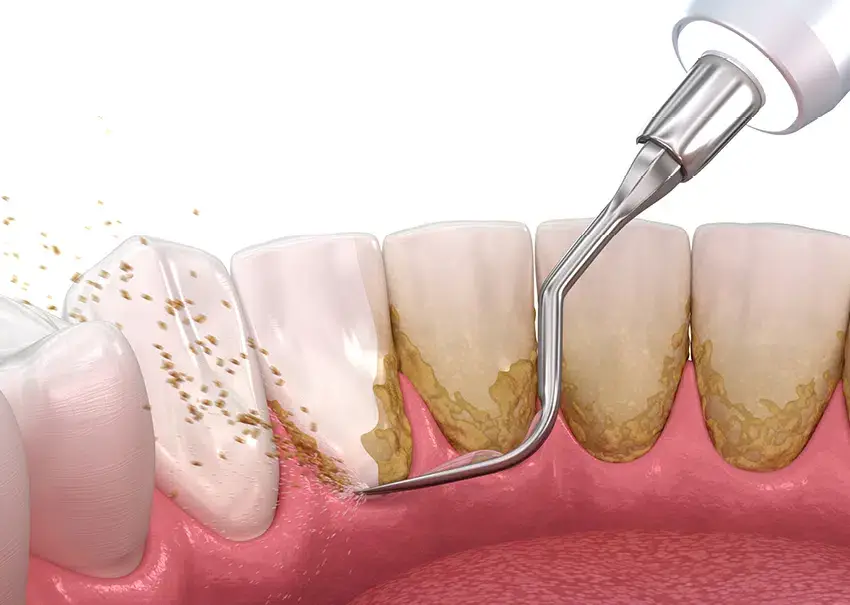


What is tooth extraction?
Tooth extraction, or simply pulling a tooth, is the removal of a tooth from its socket. Tooth extraction is a common outpatient procedure, usually performed in a single visit using local anesthesia.
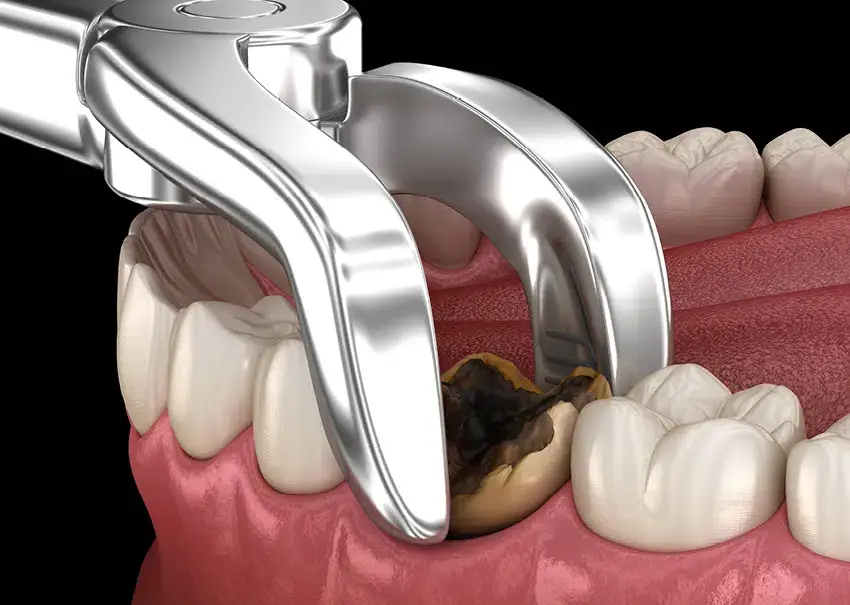
When is extraction necessary?
- A tooth so severely damaged by decay that it can no longer be treated with a filling or crown;
- A tooth with extensive inflammation in the root area that cannot be treated with root canal therapy;
- A tooth affected by severeperiodontitis,i.e., a tooth that is loose and often has exposed roots;
- A tooth that has undergone root canal treatment but still has persistent inflammation, pain, and subjective discomfort;
- A tooth that is a source of focal infection. This is a localized infection concentrated in a lesion, which is a potential source of disease for the entire organism, most often when the body is weakened. Removing a focal infection is necessary, for example, before cardiac surgery, joint replacement, or chemotherapy;
- A tooth designated for extraction by an orthodontist due to lack of space in the dental arch;
- A tooth in an unfavorable position that traumatizes surrounding tissues due to its location. This most often refers to "eights," also known as wisdom teeth.
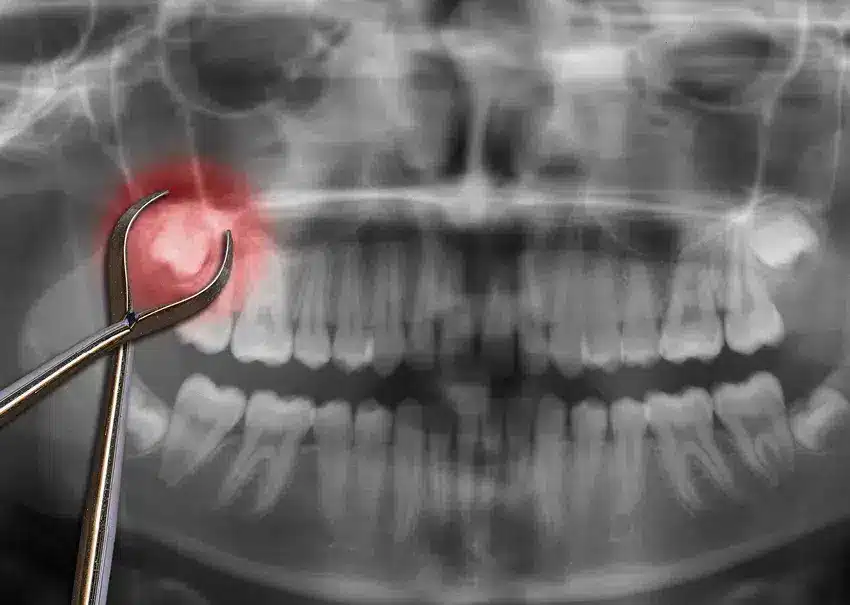
Is tooth extraction painful?
No! You no longer need to fear tooth extraction. Forget bad childhood experiences; with us, every extraction is performed painlessly under local anesthesia.
The treating dentist always waits for the anesthetic to take effect, ensures that the anesthesia is effective, and only then begins the extraction. Throughout the entire procedure, the patient feels no pain; the only sensation is painless pressure.
the newsletter
By submitting this form, you consent to the processing of your email address and/or phone number for the purpose of sending commercial and non-commercial messages.
What to do and what to avoid after tooth extraction?
- A cotton swab. Bite downon it and hold for at least 15 minutes or longer;
- Rinsing your mouth. Do not rinseyour mouth for the entire day following the extraction; this will prevent the blood clots, which are essential for proper healing, from being dislodged;
- The next day,rinse with herbal teas,such as chamomile, burdock, or sage tea, or with water;
- Do not eat for 3 hours after the extraction;thereafter, eat mostly soft foods and avoid eating on the side where you feel pain. Avoid dairy products (due to fermentation). Do not eat or drink hot foods or beverages. Do not drink alcohol;
- Avoid smoking(at least 1 day), alcohol (2 to 3 days), and coffee (later, not hot);
- Cold compresses. Theyhelp reduce bleeding and swelling. On the day of the procedure and the day after, apply ice or a handkerchief soaked in ice-cold water to the treated area (chin, lip, cheek) to keep it cool. Do not apply a compress on subsequent days;
- Head position. Sleep or lie on a high pillow; do not tilt your head back.

How does healing proceed after a tooth extraction?
Swelling after extraction may persist for up to 3 days after the procedure; we recommend taking analgesics (Ibuprofen, Ibalgin). Your dentist will consult with you regarding the exact dosage. In case of pain or more significant problems, it is essential to contact your doctor. If you follow all our recommendations, you will avoid unpleasant complications and minimize the chance of post-extraction difficulties.


Dentist
I completed my dental medicine studies in 2020 at the Faculty of Medicine, Comenius University in Bratislava. During my studies, I completed several internships at modern clinics in Slovakia and participated in… Read more