
What is periodontosis (periodontitis)?
Paradentosis or periodontitis? Is there a difference between them? While paradentosis is an older, more colloquial term, paradontitis or periodontitis are the professional terms.
Periodontitis is a chronic inflammatory disease of the tooth's supporting apparatus (the connective tissue connecting the tooth root surface to the alveolar bone, the alveolar bone itself, and the gum) and is currently the most common cause of tooth loss in adulthood.
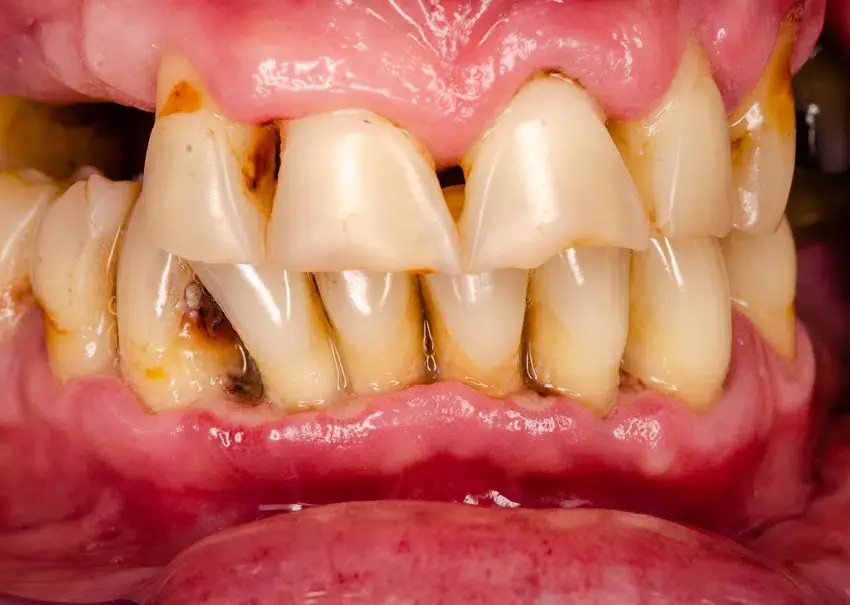
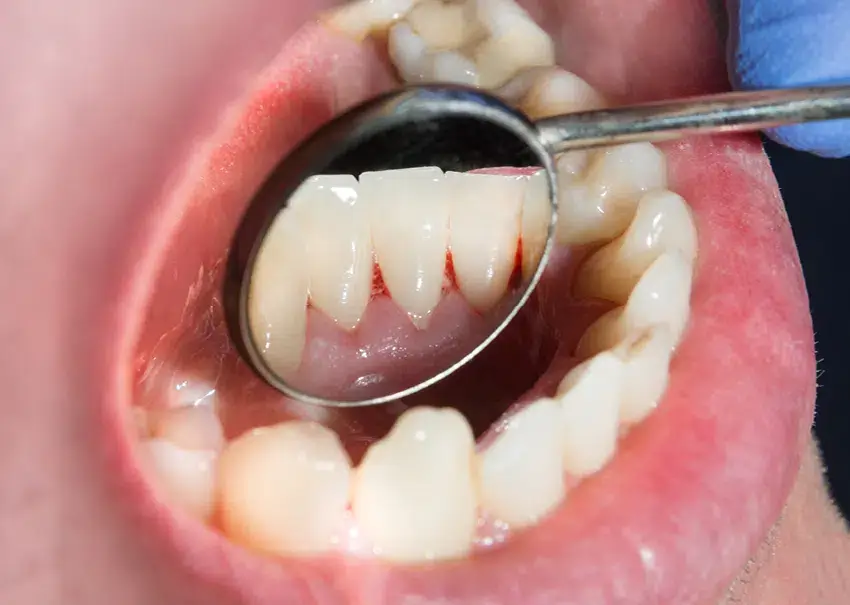
Inflammation of the gums occurs relatively often and usually proceeds without significant subjective symptoms. We may notice gum sensitivity when brushing, or gum bleeding. When this inflammation spreads to other parts of the tooth's supporting apparatus – the so-called periodontium – we speak of periodontitis (colloquially "paradentosis").
Periodontitis is caused by bacteria that lead to the resorption (loss) of the bone surrounding the tooth, thus resulting in increased tooth mobility. Advanced disease can lead to tooth loss.
How does periodontitis manifest?
Periodontitis is completely painless in its initial stages, which is why it can remain undetected for a long time. It is important to attend regular check-ups with your dentist, who can detect even the early stages of inflammation.
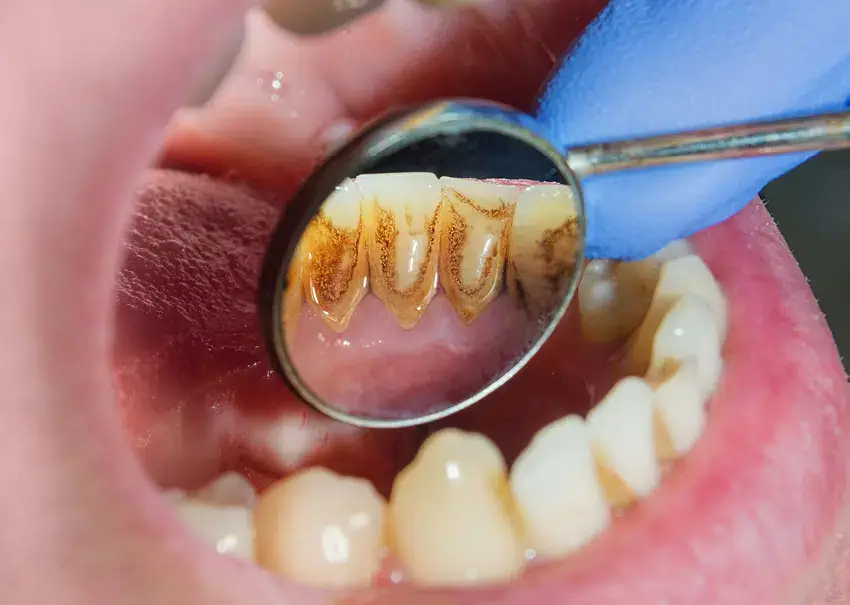
The main cause of gum inflammation is dental plaque. Dental plaque is largely composed of bacteria that together form a “biofilm” – giving one the sensation of teeth being covered in “slime.” Microorganisms in dental plaque can lead to gum inflammation. The risk of developing this inflammation is increased in smokers.
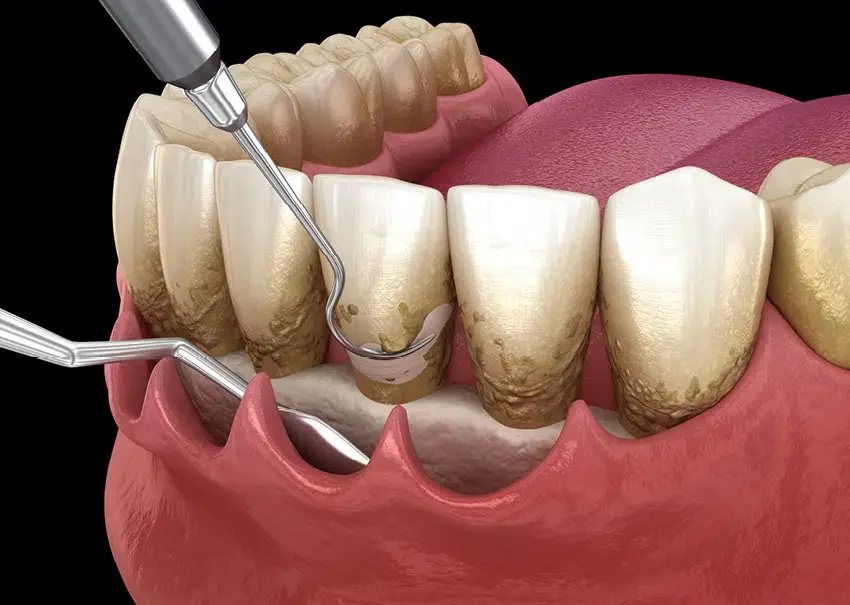
Dental plaque itself is soft and can be removed with thorough brushing. If plaque is not removed, it hardens over time due to mineral deposits, forming dental calculus (tartar). Dental calculus promotes the accumulation of plaque in the gum area and exposed tooth necks, extending to the bone around the tooth. A space forms between the tooth root and the gum, which is ideal for further bacterial proliferation.
If the disease is not professionally treated at this stage, the inflammation continues, and the spaces enlarge. This results in the loss of both the connective tissue fibers anchoring the tooth to the bone and the bone itself. Teeth gradually “lose their grip” in the jaw and become loose.
the newsletter
By submitting this form, you consent to the processing of your email address and/or phone number for the purpose of sending commercial and non-commercial messages.
What is the treatment for periodontitis?
Scaling, also known as curettage, is among the procedures used to treat periodontitis.
The treatment of periodontitis is a long-term process aimed at halting the gradual destruction of the tooth's supporting structures (periodontium). Bone resorption, which occurs with this disease, can lead to tooth loss if left untreated.
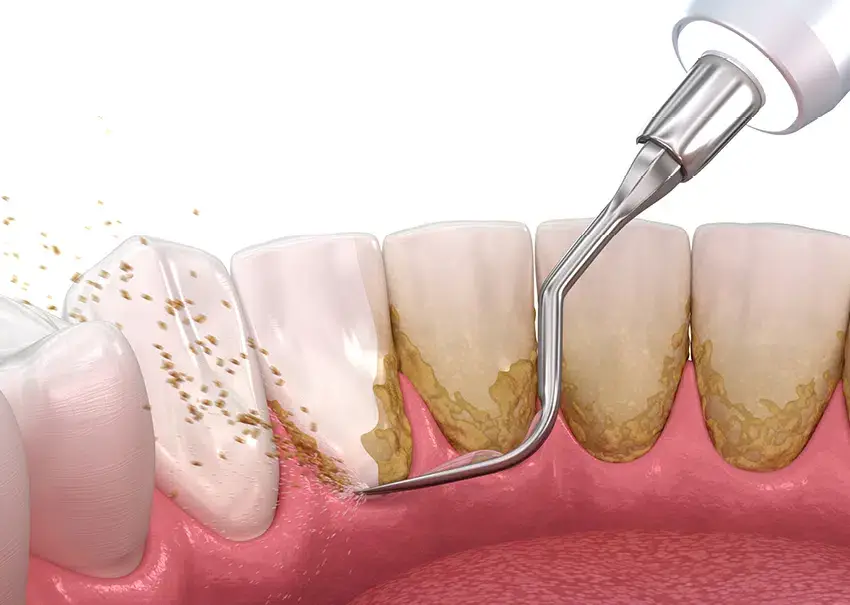
Scaling is a conservative periodontal treatment that involves removing deposits and smoothing the root surface – the area below the gum line. To stop the infection, it is essential to remove deposits such as dental calculus and aggressive bacteria (periodontopathogens) lodged in the plaque beneath the gum.
How is curettage performed?
- This procedure is performed under local anesthesia and is more time-consuming. The course of the procedure depends on the extent of the periodontitis.
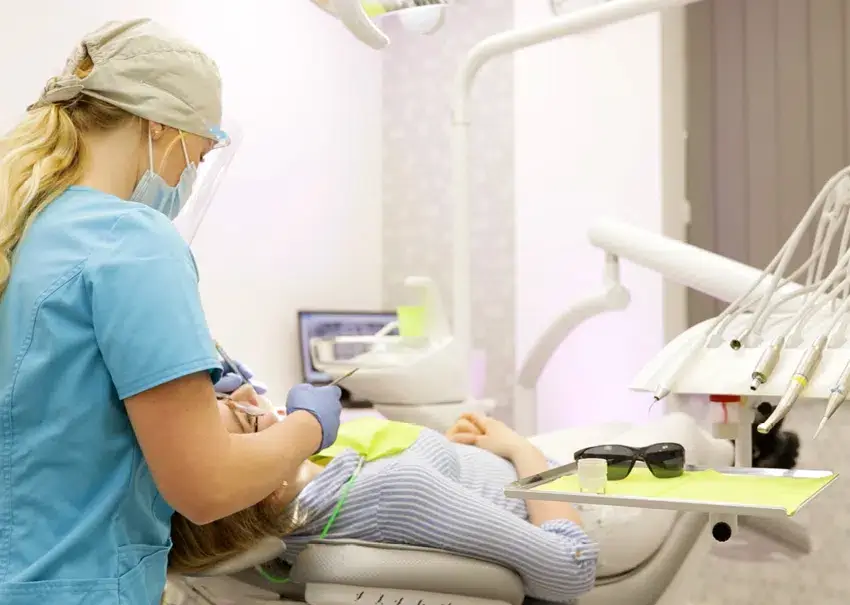
- It is performed by a dentist or a dental hygienist. The goal of scaling is, as mentioned, to stop the infection and stabilize periodontitis.
- Scaling is followed by a tissue healing phase, which can last 2-3 months, and the desired outcome is the complete reduction of periodontal pockets (pathological spaces between the tooth, gum, and bone).
- During the tissue healing phase, patients may notice more exposed tooth necks, which is a result of the gums receding and firming up around the teeth.
Maintenance Phase
Teeth may be sensitive after scaling; if sensitivity is significant, analgesics can be used, and chlorhexidine rinses are also suitable to accelerate healing.
Scaling is followed by the maintenance phase of periodontitis treatment, which involves regular dental hygiene visits and consistent removal of deposits from the tooth surfaces to prevent re-infection.
Maintaining a satisfactory periodontal condition also necessarily includes excellent individual patient hygiene, which is adjusted by the dental hygienist according to the patient's needs.

Dentist
I completed my dental medicine studies in 2020 at the Faculty of Medicine, Comenius University in Bratislava. During my studies, I completed several internships at modern clinics in Slovakia and participated in… Read more