

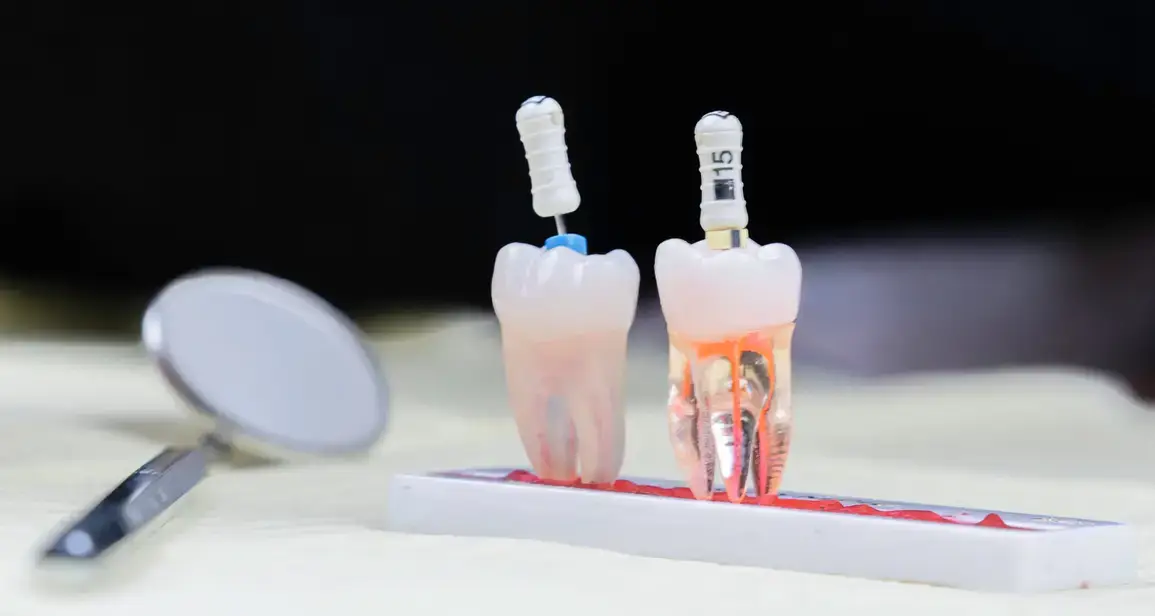
What is endodontics?
Endodontics, or endodontic treatment, is a dental procedure that involves treating the dental pulp and the root system, specifically the root canals of a tooth.
The goal of endodontics is to remove the cause of tooth inflammation and to preserve the tooth in the mouth.

When is endodontic treatment necessary?
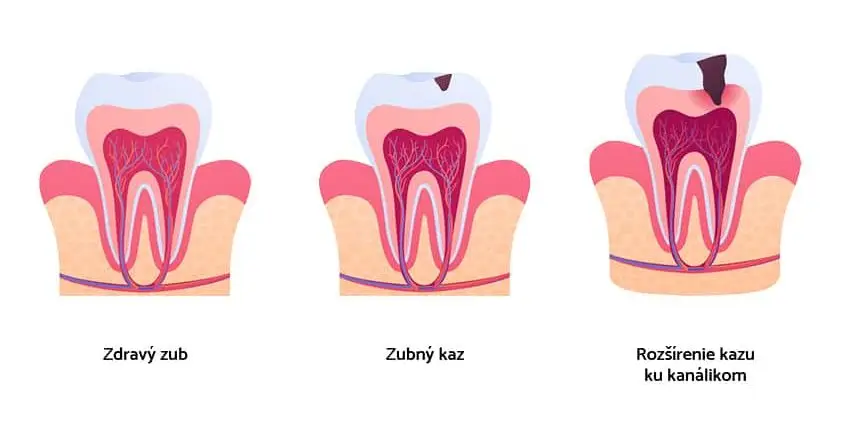
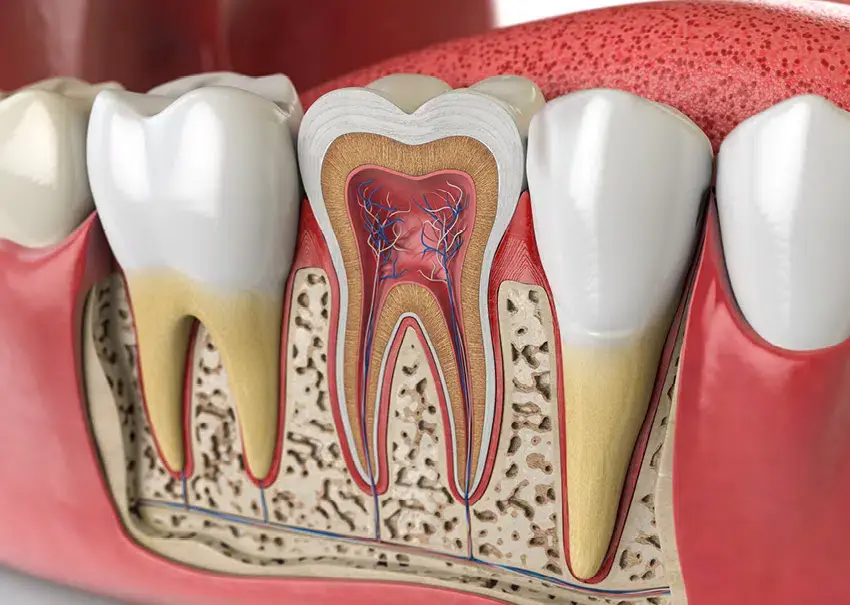
Tiny blood vessels and nerves are located in the root canals, which is why this procedure is often colloquially referred to as "nerve extraction" or "nerve removal." These blood vessels and nerves enter the root canals from the bone through their openings, leading to the dental pulp, which then nourishes the entire tooth.
A problem arises when this inner part of the tooth becomes damaged or infected, which can lead to inflammation. Inflammation in the dental pulp most commonly occurs due to deep and long-untreated chronic tooth decay. This decay contains many bacteria whose toxins gradually penetrate the pulp tissue, causing inflammation.
This can most often manifest as acute pain, possibly swelling, significant sensitivity to pressure when eating, and also to thermal stimuli (cold water, hot drinks, etc.). At this stage, it is very important to consult a dentist and resolve the pain or inflammation as soon as possible.
Otherwise, bacteria can infect the bone around the tooth root, leading to what is known as periapical inflammation. If left untreated, this gradually destroys the bone and affects a person's overall health.
the newsletter
By submitting this form, you consent to the processing of your email address and/or phone number for the purpose of sending commercial and non-commercial messages.
How is endodontic treatment performed?
Diagnostics
Firstly, accurate and thorough diagnosis is crucial, as the symptoms of inflammation can vary. The dentist uses diagnostic techniques such as tapping on the tooth, applying ice, pressing on the bone near the root tip, and, importantly, an intraoral X-ray, which can provide the dentist with a lot of vital information.
Anesthesia
Before the procedure, we always use local anesthesia to eliminate pain.
Access to the Dental Pulp and Canals
The dentist must first remove any tooth decay or old, inadequate fillings and clean the tooth to gain proper access to the pulp chamber and subsequently to the root canals.
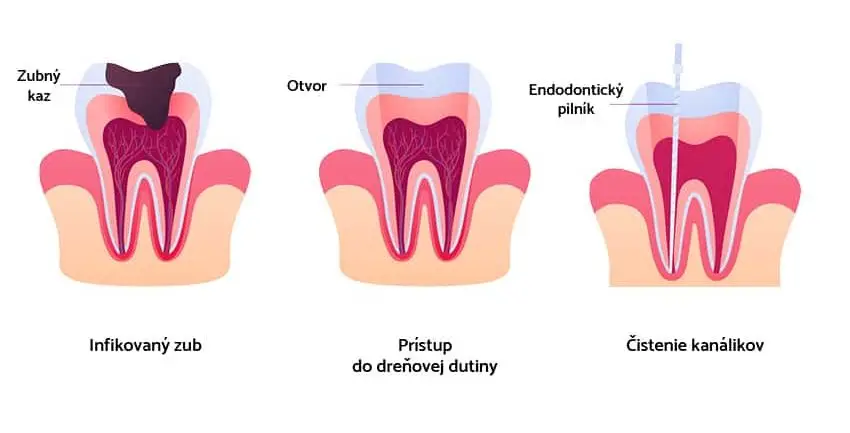
Clearing and Cleaning the Canals
The number of root canals varies depending on the tooth; some may have only one canal (e.g., an upper incisor), while others may have 4 to 5 canals (upper molars). The cost of treatment depends on the number of canals. Firstly, the dentist must locate all these canals in the affected tooth, which is why all dentists at Smart Dental Clinic use magnification, either loupes or a microscope.
All located root canals must be cleared all the way to the apex (the tip of the root), then widened with special root canal instruments, and finally, thoroughly disinfected with irrigating disinfectant solutions to eliminate all bacteria.
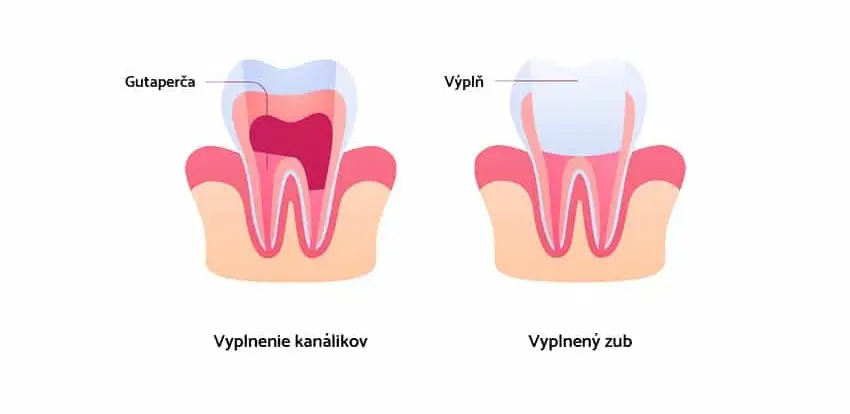
Canal Filling
Once the canals are widened to the desired width and chemically cleaned, they can then be hermetically sealed with a permanent gutta-percha root filling.
The canals must be properly filled all the way to their end. After treatment, it is always necessary to take another intraoral X-ray to assess the quality of the filling.
After Treatment
After endodontic treatment, it is common for the tooth to be sensitive, especially to pressure. This period typically lasts from a few hours to a few days after the procedure. However, if pain and sensitivity persist longer, it is important to visit your treating dentist.

Dentist
I completed my dental medicine studies in 2020 at the Faculty of Medicine, Comenius University in Bratislava. During my studies, I completed several internships at modern clinics in Slovakia and participated in… Read more