
What is the Periosteum?
The periosteum (Latin: periosteum) is a fibrous membrane covering the surface of bones. This tough membrane contains nerves and blood vessels and serves to nourish the bone. Sometimes, the periosteum is incorrectly referred to by the colloquial term 'okostnica'.
What is Periosteum Inflammation?
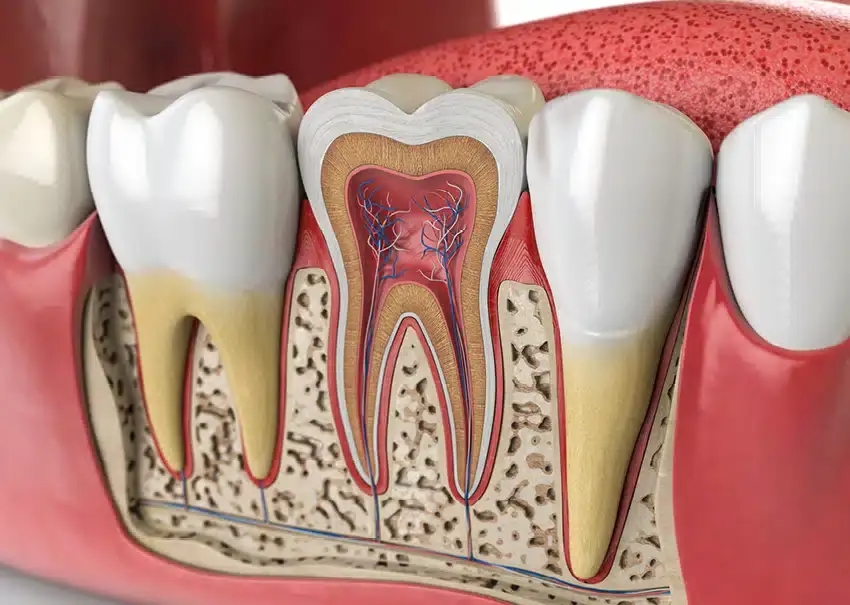
Like almost every tissue in the body, the periosteum can become inflamed for various reasons. This condition is called periodontitis and is very painful. Periodontitis occurs in the area of the tooth's periodontium, specifically in the periosteum surrounding the tooth root. In our practice, we treat periodontitis of both the mandible and maxilla.
Periodontitis
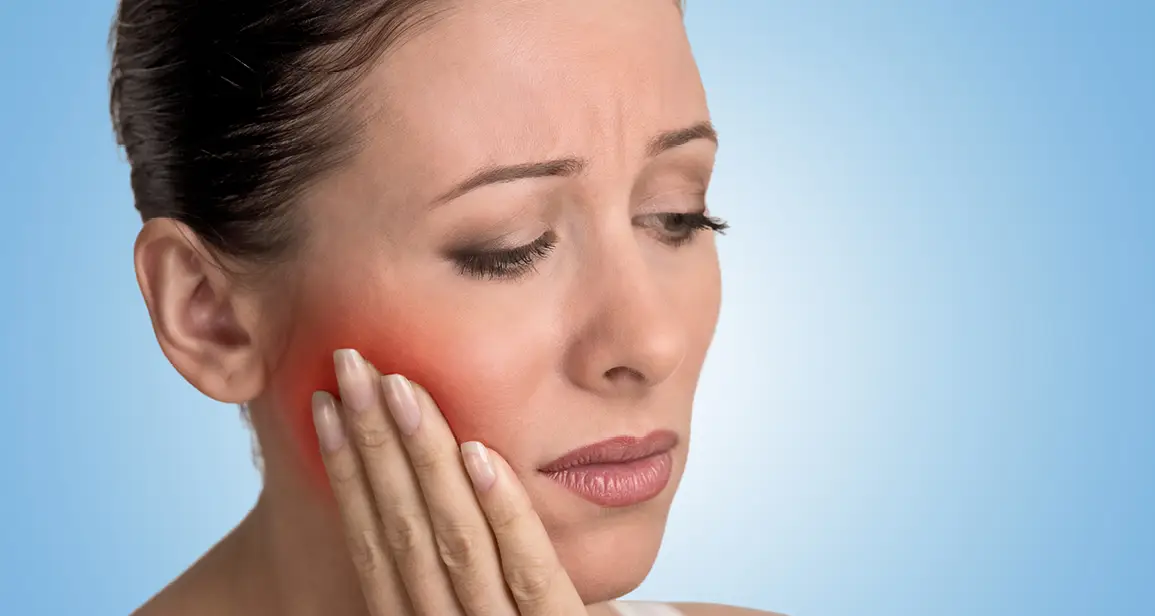
These infections do not originate directly in the fibrous covering of the bones (periosteum) but most often reach it through the root canals from a carious lesion. In other words, the initial cause of periosteum inflammation is a deep dental cavity full of bacteria. If the infection and bacteria are not completely removed from the carious lesion at this stage, the bacteria will travel through the root canals further into the area around the root tips. The body's defensive reaction to the present infection is the formation of pus at the site of inflammation. This pus accumulates in the bone, and the increasing pressure of the pus on the bone leads to bone destruction. The pus then spreads beneath the fibrous covering of the bone – the periosteum. This stage of periodontitis is called a subperiosteal abscess or, colloquially, periosteum inflammation. Since the periosteum is richly supplied with nerves, its elevation causes the fibers to stretch and tear, leading to severe pain. This is why this stage is the most common reason for seeking medical help.
Submucosal Abscess
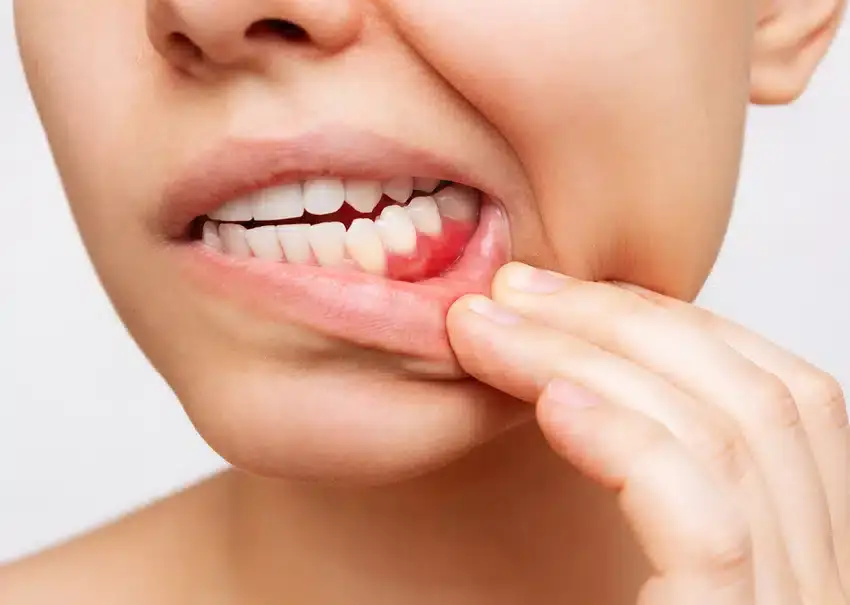
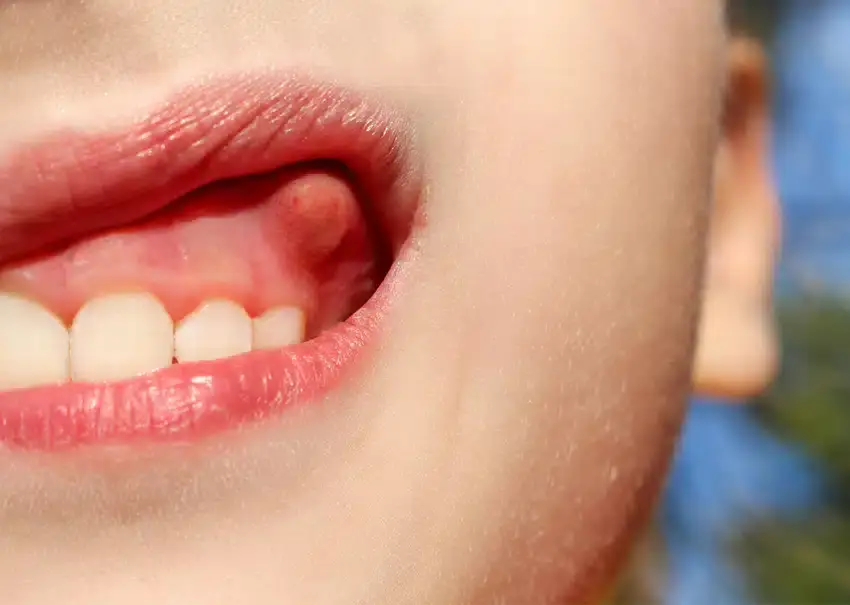
The next stage, paradoxically less painful, is a submucosal abscess – at this stage, pus passes through the periosteum directly beneath the oral mucosa. The pain slightly subsides precisely due to the release of pressure on the periosteum.
the newsletter
By submitting this form, you consent to the processing of your email address and/or phone number for the purpose of sending commercial and non-commercial messages.
What are the Symptoms of Periosteum Inflammation?
Symptoms of periosteum inflammation can be divided into subjective (those experienced by the patient) and objective (those that can be detected during an examination by a dentist).
Subjective
- continuous pain without periods of relief
- the pain is easily localized because the affected tooth is very sensitive to biting, tapping, and touch, and it feels elevated above the other teeth
- the dental pulp shows no signs of vitality, it is necrotic (the tooth does not react to temperature changes)
Objective
- the mucosa in the area of the root apex is hyperemic, reddened, swollen, and sensitive to touch
- Significant swelling of the surrounding soft tissues and enlargement of the corresponding lymph nodes are often present.
- Elevated body temperature, chills, malaise.
- X-ray images show a widening of the periodontal ligament space and possible radiolucency around the root apex.
What is the treatment for periostitis?
If you experience any of the above symptoms, especially pain, elevated temperature, or swelling, it is necessary to seek medical attention as soon as possible.
Do not attempt to resolve the problem on your own.
It is certainly not advisable to try to resolve such a problem at home without medical assistance, relying on various online advice. Periostitis is a serious condition that requires professional medical care. Otherwise, it will worsen and can lead to meningitis or mediastinitis (inflammation of the mediastinum). In severe cases, patients may even require hospitalization, and in the worst scenarios, it can be fatal.
Professional Treatment
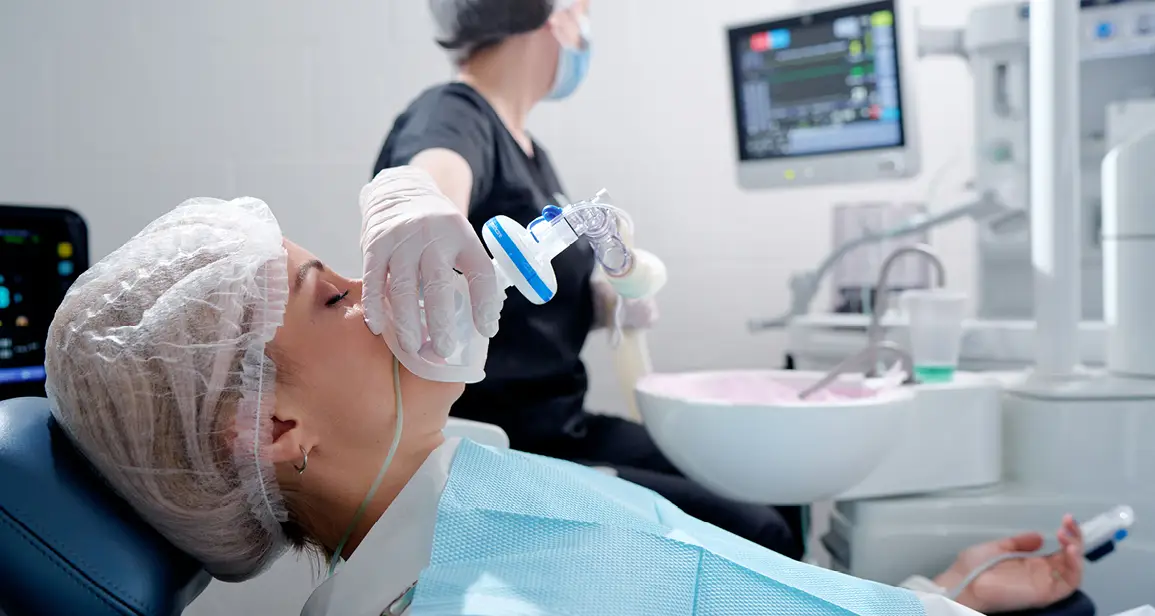
At our clinic, the dentist will take an X-ray to determine which tooth is causing the problem. Subsequently, the accumulated pus under the periosteum needs to be drained. Under local anesthesia, a small incision is made to release the pus, and the wound is disinfected. The surrounding area is then thoroughly cleaned, and a thin drain may be inserted into the wound. This drain is changed multiple times if necessary. Often, antibiotics are also prescribed to help the body combat the bacterial infection.
Endodontic Treatment
Based on the examination, the dentist will decide the fate of the affected tooth. After the acute symptoms subside, endodontic treatment of the causative tooth is performed, or endodontic treatment with a medicinal dressing is carried out immediately, or the tooth is left open (see endodontics blog). However, in many cases, it is necessary to extract the causative tooth.

Dentist
I completed my dental medicine studies in 2020 at the Faculty of Medicine, Comenius University in Bratislava. During my studies, I completed several internships at modern clinics in Slovakia and participated in… Read more